by Paula Gail Benson
It’s that wonderful time of year again when writers and readers who love Agatha Christie style mysteries gather in Bethesda, Maryland, for Malice Domestic. Next weekend, the Agatha Awards will be presented. Please help us begin the celebration with some brief interviews with the Agatha-nominated authors in the categories for Best Debut Novel and Best Short Story.
Best First Novel
Whiskey Business by Adrian Andover
Murder in the Crazy Mountains by K. L. Borges
Savvy Summers and the Sweet Potato Crimes by Sandra Jackson-Opoku
Player Elimination by Shelly Jones
Voices of the Elysian Fields by Michael Rigg
QUESTION: Why did you decide to be a writer?
Adrian: I don’t feel like I ever made a conscious decision to be a writer. I feel like I’ve always been writing in one way or another since I learned how to write. Music was my first passion, and I began writing original songs as early as elementary school. I dabbled in fiction and creative nonfiction throughout high school and college, but always saw myself as a songwriter first. It wasn’t until the pandemic in 2020 that I decided to give writing a novel a try. Without needing to commute to an office for my day job, I used the time I got back to develop a daily writing routine, and I’ve stayed pretty consistent ever since.
K.L.: Becoming a writer was a surprise, post-retirement development in my life. I came up with the plot for Murder in the Crazy Mountains while on an extended road trip during my first fall that I wasn’t busy in a high school classroom. I had begun working in animal rescue after retiring and saw an online post about a real-life dog who had been brought in with gunshot wounds. This dog became the inspiration for my story. By the end of the road trip, I was on fire to write a murder mystery woven around that dog.
Sandra: I’ve wanted to be a writer as far back as I remember, even in my pre-literate childhood. When I was three years old, Frank London Brown, a neighbor wrote Trumbull Park, a notable novel rooted in Chicago literature. He fictionalized five Black families, including mine, who desegregated an infamous Chicago housing project. I was so impressed that I went around scribbling in the flyleaves of books, convinced that I too was writing a novel.
Shelly: This might sound trite but I don’t think I had much choice. I’ve always loved reading and writing and I’ve been writing stories from a very young age. My bookcase was lined with Nancy Drew mysteries and I was absolutely the kid who read under the covers with a flashlight every night. Somewhere I still have a form rejection letter from Dell that they kindly sent eight-year-old me for some story I typed up (yes, on a typewriter back in ye olde times) and submitted. When I went to grad school, my creative writing took a backseat for a few years. But eventually stories bloomed again and I had to write them down.
Michael: The short answer is that I’m just a guy trying to impress a girl. Some backstory… I’ve been an attorney since 1981, so writing was/is part of “the life.” Of course, the expectation for an attorney is that, at least in your professional life, you’ll write non-fiction—the truth, the whole truth, and nothing but the truth. (Although some of my opponents and clients would likely tell you that I wrote a lot of nonsense/fiction in my briefs, motions, and memoranda. But that’s a story for another day.) My wife is the reader in our family—a trait she instilled in our kids as well. She puts me to shame with the number of books she reads, mostly fiction but a lot of non-fiction as well. Occasionally, I would look through some of the novels she was reading. A little over a decade ago, as I started thinking about retiring from my day job, I decided that maybe I could write a novel as well. What a great way to impress an avid reader, right? I mean, how hard could it be? After one published novel (it took quite a while) and a second about to be published, the jury’s still out on how much of an impression I’m making. I must be doing okay, though. We’ll mark our 47th anniversary in May.
QUESTION: If your protagonist(s) or a character from your novel could attend the Agatha banquet, what shoes would she/he wear and why?
Adrian: This is such a fun question! If my protagonist Reece Parker were to attend the Agatha banquet, I think he’d dress in pretty standard professional men’s attire. I imagine he’d wear a light-blue button-up shirt tucked into Navy blue dress pants with brown wingtip dress shoes. He’d probably skip wearing a tie and jacket, opting for a more relaxed look. I’d bet he’d also roll up his sleeves to show off his literary-themed tattoo sleeve. Reece dresses for comfort and function more than for fashion, so I wouldn’t expect him to put too much thought into his outfit. He’d lean on the few simple staples he already has in his closet.
K.L.: My protagonist would be all about shoes that have flair and a bit of sexiness to them, but that don’t require acrobatic skills to walk around in. A girl wants to look good, but not at the loss of comfort and ease of movement, right? She would wear some black, sling-back pumps, with no more than a two-inch heel, I think. No stilettos for my girl!
Sandra: The scandalous Shysteen Shackleford, one of the antagonists in Savvy Summers and the Sweet Potato Crimes, wouldn’t hesitate to wear something skintight, skimpy, revealing, and totally inappropriate.
Shelly: Wren Winters, my main protagonist in my board game-themed, cozy mystery series, is very practical, so she’d probably wear sneakers. She also has Rheumatoid Arthritis and needs good, supportive shoes that will limit pain in her joints as much as possible. Besides, you never know what shady character she might see at the banquet and need to follow them…
Michael: As an introverted southern gentleman, Jonathan Gray, my protagonist, would wear cordovan loafers. Not penny loafers, mind you, but tasseled loafers—a much more refined look, but still comfortable and casual. The cordovan loafers would contrast with, and also complement, his navy-blue suit (with cuffs, of course), white button-down shirt, and Harvard necktie.
Best Short Story
Six-Armed Robbery by Ashley-Ruth Bernier, Malice Domestic Mystery Most Humorous
Baby Love by Barb Goffman, Double Crossing Van Dine
Lola’s Last Dance by Kerry Hammond, Celluloid Crimes
Boss Cat Rules by Nikki Knight, Malice Domestic Mystery Most Humorous
While the Iron is Hot by Edith Maxwell, Ellery Queen Mystery Magazine
[NOTICE THAT CLICKING ON THE LINKS WILL TAKE YOU TO THE SHORT STORIES!]
QUESTION: How do you select the crime for your short story and how does the crime influence your character development?
Ashley-Ruth: I’m terrified of frogs and even more terrified of cockroaches, so when I was hit with an idea about robbers who used these as weapons instead of guns and knives, I knew I had to write the story. It took a few days of thinking through the idea before I realized that these robbers had to be kids. Who else would have the unconventional thinking to conceive of such an idea AND the boldness to actually give it a try? Writing from the POV of a 12-year-old was tricky at first, since I usually write for and about adults. My narrator never “told” me her name—she’s nameless throughout, like some of the narrators in books for young readers I loved growing up (think “The Witches” by Roald Dahl and “The Cat in the Hat” by Dr. Seuss!). However, once I got a handle on her outsized personality and voice, the story unfolded easily!
Barb: I was asked to write a story for Double Crossing Van Dine, in which twenty authors take the twenty rules for detective stories by Golden Age author S.S. Van Dine and turn them on their head. Van Dine declared in rule number three that there must be no love interest in a story, because amour would keep a detective from focusing on the case. I decided that my PI would have a rich wife who kept trying to lure her husband into bed so she could get pregnant, but at every turn she is thwarted because all her seductive moves give her husband an idea of where to look next for clues. He is determined to solve his new case because—among other reasons—he wants to be able to support his wife and children to be and not rely on his wife’s family money.
This story is “Baby Love,” and given its humorous premise, I knew I wanted a “lighter” crime. So I chose to have a PI hired to find a missing (stolen?!) dog. There had to be high stakes, so I had the owner fear the dog was grabbed to be used as a bait dog in dogfighting. But I think the reader can tell from the story’s tone that the dog would be okay. (Yes, spoiler alert: No dogs were harmed in the writing of this story.) In the end, the PI finds the dog and learns why he was taken, and the reason affects him so much that he vows to not prioritize his pride (his desire to be able to support his family) over the importance of devoting time to that family, including its creation. I was happy with how that arc worked out.
Kerry: I actually started my story with an opening line. It was something that a crime scene tech said and it stuck with me. My Rocky Mountain MWA group was lucky enough to attend a staged crime scene investigation at a local police station. They went all out and staged a scene that we could investigate. Our dead body (crash test dummy) looked like he may have shot himself, but someone commented that the gun wouldn’t still be in the person’s hand, it would have fallen. The crime scene tech paused and said, “I once went to a crime scene where a woman shot herself with a 45 and didn’t even drop her cigarette.” How do you forget a line like that? I created my entire story around the woman who did that ad why.
Nikki: My stories always start with the characters: the crime grows out of their world, and only they can solve it. For this “first-person feline” story, featuring Neptune, the Boss Cat of a small Vermont radio station, I had to find a natural way to get him involved. I’ve written Neptune before, and I know he likes to sit in the window and menace the birds, so I thought: what if he sees something on the street? Then, it was a question of what would motivate a rather self-absorbed cat, who still considers himself a standup guy. I came up with an attack on a vulnerable old man by someone Neptune doesn’t like. Finally, the big challenge: finding ways for Neptune to manipulate his Ma (radio station owner Jaye Jordan) and the police chief into catching the killer. To do that, I had to use everything I know about both Neptune and his people to come up with a believable solution.
Edith: Each story is different. “When the Iron is Hot” had its inspiration in someone on Twitter about five years ago writing that she was going to go iron her money. When I asked if she was serious, she said she was. My mystery writer’s brain cartwheeled into a COVID paranoia gone terribly wrong, and the crime came from there.
QUESTION: If a character from your short story could attend the Agatha banquet, what shoes would she/he wear and why?
Ashley-Ruth: I settled on age 12 for my narrator because it’s right there, that one year between being a kid and being a teenager. She’s old enough and tall enough to wear some more “grown-up” shoes, but she wouldn’t—instead, she’d pull on a well-loved pair of Chucks or comfortable flip-flops with a dress that might or might not have seen the business end of an iron. She’ll care more about looks and fashion next year, but this year is all about comfort and flexibility…which definitely helps in the event of needing to make a quick getaway.
Barb: My PI’s wife is forever trying to lure him into bed. So she would wear stilettos to the banquet, which would make her legs look even more shapely and alluring.
Kerry: Lola would have loved to attend the Agathas. She would wear a sequined number, most likely in red, with a pair of 5-inch heels to match.
Nikki: The Boss Cat doesn’t need any stinkin’ shoes – he’s happy with his fuzzy paws, thanks! But his Ma, Jaye Jordan, would wear what I’m going to wear: a pretty pair of silver ballet flats. She’s very tall like me, and being a sensible Vermont DJ, she doesn’t have the energy to fight with high heels.
Edith: Natasha, my narrator, is a brilliant scientist but one who has been frustrated in life. She would find a way to wear black Louboutin Fannylove heels – you know, with the red soles – to the banquet and then return them without paying the price.
BIOS: Nominated Debut Authors

Adrian Andover
Adrian Andover is the author of Whiskey Business, his Lefty Award-winning and Agatha Award-nominated debut novel and the first entry in the Mixology Lounge Mysteries series. In 2020, Andover was living alone in a 200-square-foot studio apartment at the height of the pandemic when he found a joyful respite in cozy mysteries. Not seeing many gay men represented in the genre, he set out to write his own. When he’s not reading, writing, revising, or publishing a story, he enjoys taking long walks, attending live music events, spending time with friends, and tasting craft cocktails around his chosen hometown of Asbury Park, NJ.
Born and raised in Idaho, K.L. Borges moved to Montana over thirty years ago. She and her husband raised their three children there, alongside a series of herding dogs. K.L. Borges was a math teacher at a private Billings high school (Go, Rams!) for a decade, following an earlier career as an environmental engineer. Borges is an active volunteer in the animal rescue community of south-central Montana, a member of the Billings Gem and Mineral Society and is a member of Sisters in Crime. She and her husband can often be found enjoying the Montana outdoors with their two blue heelers. Murder in the Crazy Mountains is her first book; it has been nominated for an Agatha Award.
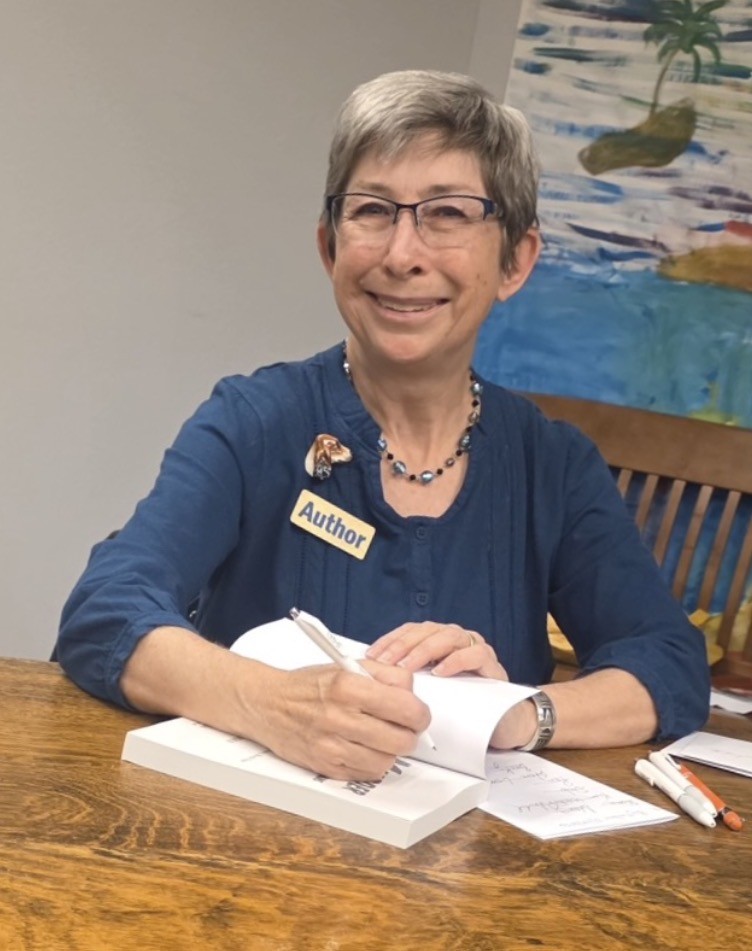
K.L.Borges
Sandra Jackson-Opoku is the author of three award-winning novels. The River Where Blood is Born (American Library Association Black Caucus Award), Hot Johnny and the Women Who Loved Him (Essence Magazine Bestseller in Hardcover Fiction)and Savvy Summers and the Sweet Potato Crimes (won the Malice Minotaur Award and is a finalist for the Edgar and Agatha Awards). Savvy Summers and the Po’boy Perils releases in July 2026. Her fiction, nonfiction, poetry, and dramatic works are widely published and produced. She coedited the anthology Revise the Psalm: Work Celebrating the Writing of Gwendolyn Brooks. Her professional recognitions include the National Endowment for the Arts Fellowship, the Chicago Esteemed Artist Award, the Globe Soup Story Award, the Iceland Writers Retreat Alumni Award, the Hearst Foundation James Baldwin Fellowship at MacDowell Arts.
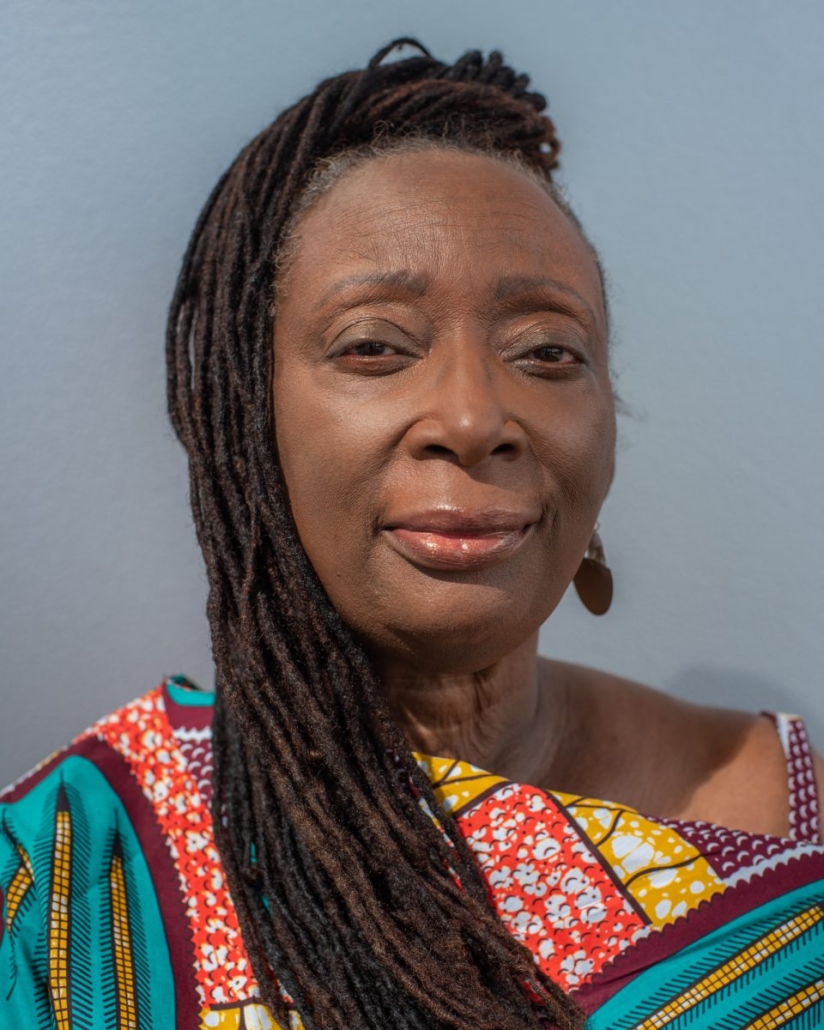
Sandra Jackson-Opoku
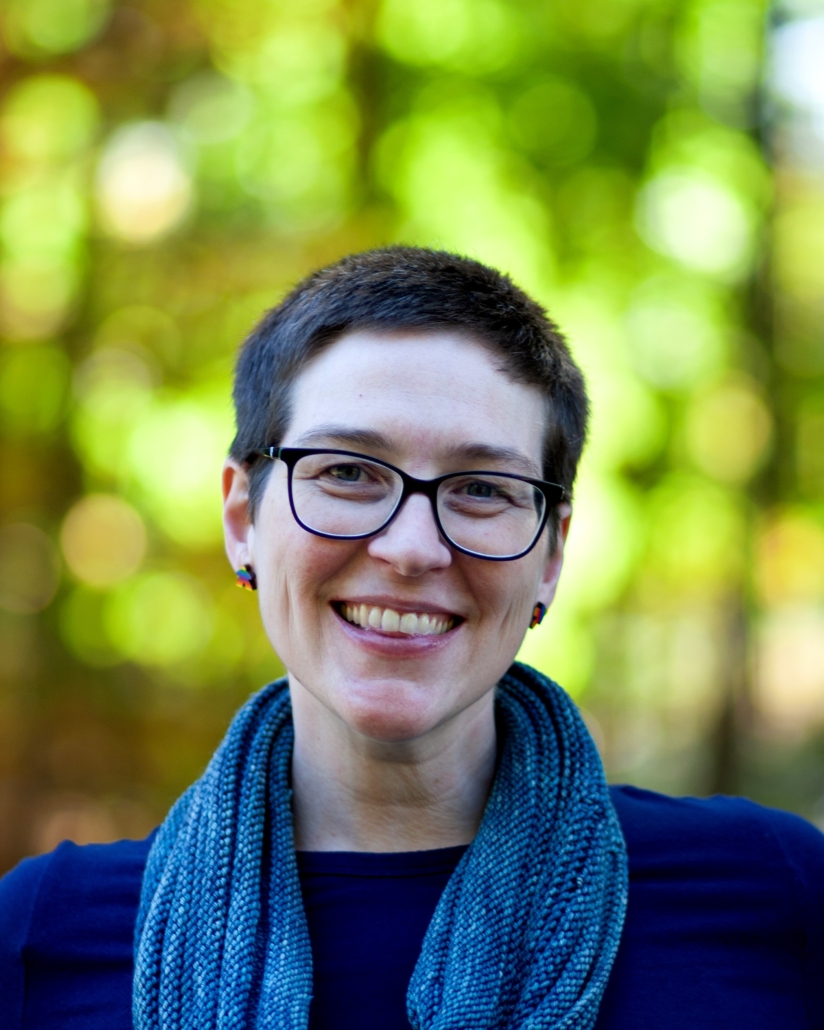
Shelly Jones
Shelly Jones (they/them) is a professor at a small college in upstate New York, where they teach classes in transmedia storytelling, the mystery genre, and writing. A Pushcart nominee and Best Microfiction finalist, their creative works have been published in F&SF, Apex, and elsewhere. Their novel, Player Elimination, was nominated for the 2026 Agatha Award for Best First Novel. When they aren’t grading or writing, Shelly can often be found hiking in the woods or playing a board game while their cats look on.
Michael Rigg, an attorney for more than four decades, writes mysteries and thrillers set in two very different locations: Virginia Beach (where he lives) and New Orleans (which he visits as often as possible “for research,” including participation in three Mardi Gras Krewes). He is a retired Navy Judge Advocate and a retired civilian government attorney, formerly working for the Department of the Navy Office of the General Counsel. He is a member of International Thriller Writers, Mystery Writers of America, and both the Sisters in Crime national organization and its Southeastern Virginia Chapter—Mystery by the Sea.
BIOS: Nominated Short Story Authors
Ashley-Ruth M. Bernier’s work appeared in Ellery Queen’s Mystery Magazine, Black Cat Weekly, The Best American Mystery and Suspense 2023, and other esteemed anthologies. Originally from St. Thomas, U.S. Virgin Islands, Ashley-Ruth writes mysteries highlighting the vibrant culture of her home. Ashley-Ruth is a 2022 winner of the North Carolina Writers Network’s Jacobs-Jones award, a 2023 Short Mystery Fiction Society Derringer finalist, a Killer Nashville Claymore finalist, a 2024 recipient of Mystery Writers of America’s Barbara Neely grant for Black mystery writers, and a 2026 Agatha and Derringer Award nominee. THE BUSH TEA MURDER is her first novel-length work. She currently lives with her family and teaches first grade in Apex, North Carolina.
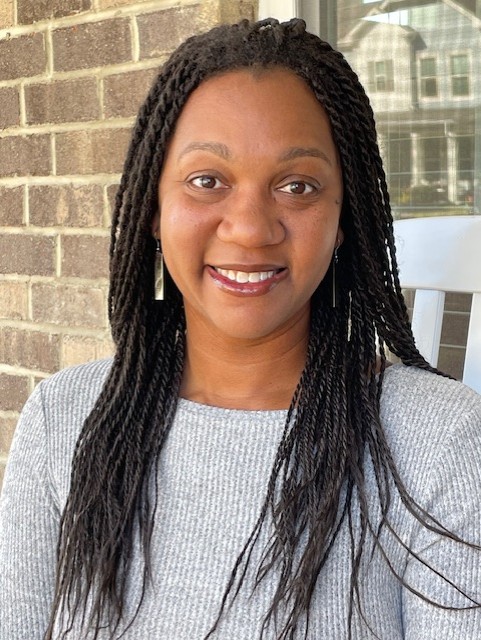
Ashley-Ruth Bernier

Barb Goffman
Barb Goffman has been a finalist for major short story crime-fiction awards fifty times, forty-seven for writing and three for editing. She’s won the Agatha four times, the Macavity twice, and the Anthony and Ellery Queen’s Mystery Magazine Readers Award once each. She’s also won the Derringer for editing, and in 2024 the Short Mystery Fiction Society awarded her the Golden Derringer Award for Lifetime Achievement. Barb works as a freelance editor, often focusing on cozy and traditional mysteries. She also is an associate editor at Black Cat Weekly. She also is an associate editor at Black Cat Weekly.
Kerry Hammond decided to give up the practice of law to commit crimes—on the page. She is a two-time Agatha Award nominated author whose short stories have appeared in several anthologies, including Malice Domestic, Bouchercon, and Sisters in Crime. One of those stories was chosen for inclusion in The Mysterious Bookshop Presents the Best Mystery Stories of the Year, edited by Amor Towles. Her love of travel means that her stories often take place in foreign locales she has (or wants to) visit, or while her characters are enroute to their next adventure. She’s a huge fan of the subtle surprise and is happiest when her readers don’t see the ending coming. She lives in Denver with her husband, who is her favorite travel companion. Kerry also writes downloadable Murder Mystery Party games at BlameTheButler.com

Kerry Hammond
Nikki Knight (Kathleen Marple Kalb) is an author/anchor/mom…not in that order. The Agatha-nominated author of short stories and novels, she’s also a Regional Edward R. Murrow Award-winning anchor of New York City’s #1 weekend morning show on 1010 WINS Radio. Her work includes fourteen mysteries across four series, and short stories in top mystery magazines, anthologies, and online, with recognition in National Excellence in Storytelling, Black Orchid Novella, and Derringer competitions. Active in writers’ groups, she is a Marketing and Communications Liaison on the National Board of Sisters in Crime, and a past VP of the Short Mystery Fiction Society and NY/Tri-State SinC. She and her family live in a Connecticut house owned by a large calico cat.
Agatha-winning and Macavity-nominated author Edith Maxwell writes the Quaker Midwife Mysteries and the Local Foods Mysteries, as well as award-winning short crime fiction. As Maddie Day she authors the Country Store Mysteries, the Cozy Capers Book Group Mysteries, and the Cece Barton Mysteries. She also wrote two Lauren Rousseau Mysteries. Maxwell lives north of Boston with her beau, their sweet cat Martin, and her organic garden; she blogs with the other Wicked Authors and at Mystery Lovers’ Kitchen.
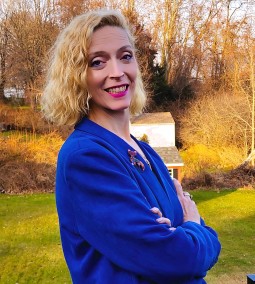
Nikki Knight
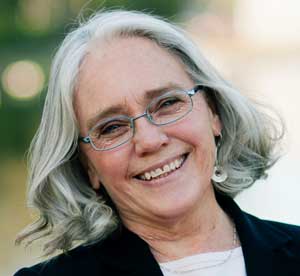
Edith Maxwell

Sexy in Work Boots by TG Wolff
/in Uncategorized/by DebraWhether it’s in theatre, on TV, or in movies, I have always been impressed by the female dancers and actors who must do everything their male counterparts do BUT in heels. Run, jump, and turn all on cue with their weight balanced very differently than if they were doing the same movements at a sporting event. Talk about grace under fire.
While I love the look of stilettos, I gave them up a long time ago. In my day job, I’m a civil engineer. When I was in my twenties, I dressed for work—heels, skirts, and blouses for the office. Denim and boots were reserved for the field. Until…
My supervisor and I had been working to coordinate a time with a client for me to go out and document a facility as part of an operations manual. Guess who called when I was in heels (not stilettos but still) and a short but (thankfully) flowing skirt? I didn’t have time to go home (wrong direction) and wasn’t smart enough at that point to keep a change of clothes in the car. The client called, so I went. To document this facility, I had to climb around pipes as big as I was. I did the job and did it well, but it was embarrassing and humiliating. By wearing the wrong shoes, I undermined my own competency and authority and by doing that, I didn’t live up to my own standard. So…
Bye, bye stilettos.
In MURDER ON SITE, the first book of my new Rizk Brothers Legal Mysteries, our victim is Lucy Torok. Sharp,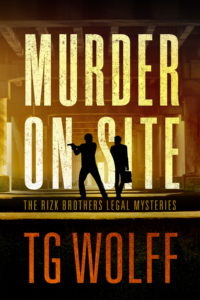 bold, ethical, and uncompromising, Lucy’s reputation was born out of success managing construction contracts to protect the state’s bottom line. She was hard-nosed and, yes, her high standards made her enemies (otherwise, it wouldn’t be a murder mystery). Lucy’s position and character were born from my own experiences and the many female engineers, operators, and superintendents I have worked beside over my career.
The Rizk Brothers Legal Mysteries are that rare blend of whodunnit mystery, legal-based cases, and warmth and humor. The detectives, twin brothers Jakob and Seth Rizk, hit their cases from two angles. Jakob, the interim attorney general for Indiana, takes on the legal aspects. He dives into the world of public contracts and bidding to determine if rules have been broken. A cop on leave, Seth is the man on the ground, investigating the people that surrounded Lucy for motives and opportunities for murder. Through other people’s eyes, Seth sees the different sides of a complex woman who defined her own brand of femininity while working in a hard-hitting field.
Lucy was a hero, a hard-ass, a lover, and a friend—all while wearing steel-toed boots.
Obviously, she is fictional, but women work in construction, manufacturing, agriculture, the trades, and beyond — where their work boots are an outward sign of their skill and capability. Faces may be tanned or hands dirty, but these outstanding women show us we all wear stilettos … just some of them have laces and steel toes.
TG WOLFF
Storyteller | Podcaster | Reader
Tina@tgwolff.com
www.tgwolff.com
Rizk Brothers Legal Mystery: Murder on Site – https://www.amazon.com/Murder-Site-Brothers-Legal-Mysteries-ebook/dp/B0G33HXG8Y/
De La Cruz Casefile Series
Diamond Mystery Series
Mysteries to Die For, The Podcast
Mysteries to Die For, The Anthologies
Dodging Disaster
/in Dodging Disaster/by Lois WinstonBy Lois Winston
It occurred to me recently, that I’ve been dodging disaster for most of my life. Although, I never realized it at the time, I’ve always been one or two degrees of separation ahead of disaster.
Dodging Disaster #1
I was a young teen the first time I dodged disaster. I had run a quick errand to return a pair of pants at a department store downtown. The day seemed perfectly normal. Less than 24 hours later, I sat in front of the television, watching the Newark riots unfold on the very streets where I’d walked the day before.
Dodging Disaster #2
Five years later, I flew into Da Vinci Airport in Rome – at the same time terrorists arrived on their way to Tel Aviv, where they opened fire in the airport, killed 26 people and injured another 80.
Dodging Disaster #3
Three weeks after arriving in Rome, I cut my trip short and boarded one of the last flights out of Paris before the pilots went on strike to protest rampant hijacking that were taking place across the globe.
Dodging Disaster #4
In 1983, my family and I were returning from a trip to Connecticut. The next day, the I-95 bridge we’d driven over collapsed into the Mianus River, killing three people and injuring three.
Dodging Disaster #5
On the morning of September 9, 2001, my husband and I were walking through the World Trade Center complex on our way to the South Street Seaport. I’m sure I don’t need to tell you what happened there two days later.
Illustration from Depositphotos
Looking back on all of this, it’s a wonder I never curled up in a ball under the quilts and refused to come back out. After each incident, life went on, and I went on with it, parking each of those dodged disasters in some deep recess of my brain. I never forgot them, but I never grouped them together. Until now.
I never thought I was a very lucky person. I’ve never won more than a few dollars playing the lottery. For most of my life, I’ve always thought of myself as more the bridesmaid than the bride, the also ran who might occasionally win a brass ring but was never quite good enough to score the Golden Ticket. But maybe that’s not the case. Maybe when it comes to what really counts in life, I’m one of the luckiest girls alive. After all, one or two degrees of separation is sometimes all it takes to avoid disaster.
And that got me thinking about my writing. Maybe that’s why, with all the murder and mayhem I’ve dumped on my reluctant amateur sleuth over the years, she doesn’t let it get to her. She dodges one disaster after another, meeting each with backbone and a sense of humor that gets her through the worst of times. Has writing about strong female characters been my subconscious way of not dwelling on the near misses of my own life? I wonder what Freud would say about that.
Have you ever discovered you’d dodged a disaster? Post a comment for a chance to win a promo code for a free audiobook download of any of the available Anastasia Pollack Crafting Mysteries or Empty Nest Mysteries.
~*~
The Title Struggle by Saralyn Richard
/in How to Write, Ideas/by Saralyn RichardWriting short has always been a challenge for me. I have an easier time writing a hundred-thousand-word novel than a ten-thousand-word short story. A five-hundred-word book description is even more difficult—how to capture the gist of a whole book in five hundred words???
But the hardest and most pressure-fraught task is coming up with a book title. Like the name of a newborn baby, the title must endure the whole life of the book. It must carry the genre, the theme, and the plot, and simultaneously attract the potential reader’s attention. It has to flow freely and mellifluously from the lips, and look pretty on the spine and cover.
The title can’t be too unique or obscure. That would make it hard for the reader to remember it long enough to Google it. It can’t be too common either, or it could be easily confused with the fifty other books with the same title. (Titles can’t be copyrighted.)
I’ve learned from experience that a title can make or break a book’s shelf placement, its purchase power. I’ve also learned that what one reader adores in a title, another reader can take or leave.
Having become title-phobic over the years, I’ve enlisted help from critique group members, family members, trusted friends, and newsletter subscribers. I’ve had great success with their help, as shown by these great titles:
Now I’m at that dastardly crossroads where I need the perfect title yesterday, and I’m driving myself and all of the above helpers batty, trying to find it. The book is an historical mystery with touches of romance. It takes place in Galveston, Texas, 1905, when the city is rebuilding after the most devastating hurricane in America.
Some of the titles under consideration are:
If you’ve read this far and love picking titles, I invite you to weigh in. Which of these titles do you prefer and why. Or what other title might you suggest? If I use your title, you’ll win my undying gratitude and a free book of your choice (print books in Continental U.S. only).
Saralyn Richard is a multiple award-winning author of seven mystery novels, a children’s book, and numerous short stories, poems, and essays published in anthologies and magazines. Saralyn is an active member of Mystery Writers of America and International Thriller Writers, and she has taught literature and creative writing to high school students and adults through the Osher Lifelong Learning Institute. Saralyn and her husband live in Texas in the house she grew up in.
Meeting the Agatha Nominated Authors for Best Debut Novel and Best Short Story
/in Uncategorized/by Paula Bensonby Paula Gail Benson
It’s that wonderful time of year again when writers and readers who love Agatha Christie style mysteries gather in Bethesda, Maryland, for Malice Domestic. Next weekend, the Agatha Awards will be presented. Please help us begin the celebration with some brief interviews with the Agatha-nominated authors in the categories for Best Debut Novel and Best Short Story.
Best First Novel
Whiskey Business by Adrian Andover
Murder in the Crazy Mountains by K. L. Borges
Savvy Summers and the Sweet Potato Crimes by Sandra Jackson-Opoku
Player Elimination by Shelly Jones
Voices of the Elysian Fields by Michael Rigg
QUESTION: Why did you decide to be a writer?
Adrian: I don’t feel like I ever made a conscious decision to be a writer. I feel like I’ve always been writing in one way or another since I learned how to write. Music was my first passion, and I began writing original songs as early as elementary school. I dabbled in fiction and creative nonfiction throughout high school and college, but always saw myself as a songwriter first. It wasn’t until the pandemic in 2020 that I decided to give writing a novel a try. Without needing to commute to an office for my day job, I used the time I got back to develop a daily writing routine, and I’ve stayed pretty consistent ever since.
K.L.: Becoming a writer was a surprise, post-retirement development in my life. I came up with the plot for Murder in the Crazy Mountains while on an extended road trip during my first fall that I wasn’t busy in a high school classroom. I had begun working in animal rescue after retiring and saw an online post about a real-life dog who had been brought in with gunshot wounds. This dog became the inspiration for my story. By the end of the road trip, I was on fire to write a murder mystery woven around that dog.
Sandra: I’ve wanted to be a writer as far back as I remember, even in my pre-literate childhood. When I was three years old, Frank London Brown, a neighbor wrote Trumbull Park, a notable novel rooted in Chicago literature. He fictionalized five Black families, including mine, who desegregated an infamous Chicago housing project. I was so impressed that I went around scribbling in the flyleaves of books, convinced that I too was writing a novel.
Shelly: This might sound trite but I don’t think I had much choice. I’ve always loved reading and writing and I’ve been writing stories from a very young age. My bookcase was lined with Nancy Drew mysteries and I was absolutely the kid who read under the covers with a flashlight every night. Somewhere I still have a form rejection letter from Dell that they kindly sent eight-year-old me for some story I typed up (yes, on a typewriter back in ye olde times) and submitted. When I went to grad school, my creative writing took a backseat for a few years. But eventually stories bloomed again and I had to write them down.
Michael: The short answer is that I’m just a guy trying to impress a girl. Some backstory… I’ve been an attorney since 1981, so writing was/is part of “the life.” Of course, the expectation for an attorney is that, at least in your professional life, you’ll write non-fiction—the truth, the whole truth, and nothing but the truth. (Although some of my opponents and clients would likely tell you that I wrote a lot of nonsense/fiction in my briefs, motions, and memoranda. But that’s a story for another day.) My wife is the reader in our family—a trait she instilled in our kids as well. She puts me to shame with the number of books she reads, mostly fiction but a lot of non-fiction as well. Occasionally, I would look through some of the novels she was reading. A little over a decade ago, as I started thinking about retiring from my day job, I decided that maybe I could write a novel as well. What a great way to impress an avid reader, right? I mean, how hard could it be? After one published novel (it took quite a while) and a second about to be published, the jury’s still out on how much of an impression I’m making. I must be doing okay, though. We’ll mark our 47th anniversary in May.
QUESTION: If your protagonist(s) or a character from your novel could attend the Agatha banquet, what shoes would she/he wear and why?
Adrian: This is such a fun question! If my protagonist Reece Parker were to attend the Agatha banquet, I think he’d dress in pretty standard professional men’s attire. I imagine he’d wear a light-blue button-up shirt tucked into Navy blue dress pants with brown wingtip dress shoes. He’d probably skip wearing a tie and jacket, opting for a more relaxed look. I’d bet he’d also roll up his sleeves to show off his literary-themed tattoo sleeve. Reece dresses for comfort and function more than for fashion, so I wouldn’t expect him to put too much thought into his outfit. He’d lean on the few simple staples he already has in his closet.
K.L.: My protagonist would be all about shoes that have flair and a bit of sexiness to them, but that don’t require acrobatic skills to walk around in. A girl wants to look good, but not at the loss of comfort and ease of movement, right? She would wear some black, sling-back pumps, with no more than a two-inch heel, I think. No stilettos for my girl!
Sandra: The scandalous Shysteen Shackleford, one of the antagonists in Savvy Summers and the Sweet Potato Crimes, wouldn’t hesitate to wear something skintight, skimpy, revealing, and totally inappropriate.
Shelly: Wren Winters, my main protagonist in my board game-themed, cozy mystery series, is very practical, so she’d probably wear sneakers. She also has Rheumatoid Arthritis and needs good, supportive shoes that will limit pain in her joints as much as possible. Besides, you never know what shady character she might see at the banquet and need to follow them…
Michael: As an introverted southern gentleman, Jonathan Gray, my protagonist, would wear cordovan loafers. Not penny loafers, mind you, but tasseled loafers—a much more refined look, but still comfortable and casual. The cordovan loafers would contrast with, and also complement, his navy-blue suit (with cuffs, of course), white button-down shirt, and Harvard necktie.
Best Short Story
Six-Armed Robbery by Ashley-Ruth Bernier, Malice Domestic Mystery Most Humorous
Baby Love by Barb Goffman, Double Crossing Van Dine
Lola’s Last Dance by Kerry Hammond, Celluloid Crimes
Boss Cat Rules by Nikki Knight, Malice Domestic Mystery Most Humorous
While the Iron is Hot by Edith Maxwell, Ellery Queen Mystery Magazine
[NOTICE THAT CLICKING ON THE LINKS WILL TAKE YOU TO THE SHORT STORIES!]
QUESTION: How do you select the crime for your short story and how does the crime influence your character development?
Ashley-Ruth: I’m terrified of frogs and even more terrified of cockroaches, so when I was hit with an idea about robbers who used these as weapons instead of guns and knives, I knew I had to write the story. It took a few days of thinking through the idea before I realized that these robbers had to be kids. Who else would have the unconventional thinking to conceive of such an idea AND the boldness to actually give it a try? Writing from the POV of a 12-year-old was tricky at first, since I usually write for and about adults. My narrator never “told” me her name—she’s nameless throughout, like some of the narrators in books for young readers I loved growing up (think “The Witches” by Roald Dahl and “The Cat in the Hat” by Dr. Seuss!). However, once I got a handle on her outsized personality and voice, the story unfolded easily!
Barb: I was asked to write a story for Double Crossing Van Dine, in which twenty authors take the twenty rules for detective stories by Golden Age author S.S. Van Dine and turn them on their head. Van Dine declared in rule number three that there must be no love interest in a story, because amour would keep a detective from focusing on the case. I decided that my PI would have a rich wife who kept trying to lure her husband into bed so she could get pregnant, but at every turn she is thwarted because all her seductive moves give her husband an idea of where to look next for clues. He is determined to solve his new case because—among other reasons—he wants to be able to support his wife and children to be and not rely on his wife’s family money.
This story is “Baby Love,” and given its humorous premise, I knew I wanted a “lighter” crime. So I chose to have a PI hired to find a missing (stolen?!) dog. There had to be high stakes, so I had the owner fear the dog was grabbed to be used as a bait dog in dogfighting. But I think the reader can tell from the story’s tone that the dog would be okay. (Yes, spoiler alert: No dogs were harmed in the writing of this story.) In the end, the PI finds the dog and learns why he was taken, and the reason affects him so much that he vows to not prioritize his pride (his desire to be able to support his family) over the importance of devoting time to that family, including its creation. I was happy with how that arc worked out.
Kerry: I actually started my story with an opening line. It was something that a crime scene tech said and it stuck with me. My Rocky Mountain MWA group was lucky enough to attend a staged crime scene investigation at a local police station. They went all out and staged a scene that we could investigate. Our dead body (crash test dummy) looked like he may have shot himself, but someone commented that the gun wouldn’t still be in the person’s hand, it would have fallen. The crime scene tech paused and said, “I once went to a crime scene where a woman shot herself with a 45 and didn’t even drop her cigarette.” How do you forget a line like that? I created my entire story around the woman who did that ad why.
Nikki: My stories always start with the characters: the crime grows out of their world, and only they can solve it. For this “first-person feline” story, featuring Neptune, the Boss Cat of a small Vermont radio station, I had to find a natural way to get him involved. I’ve written Neptune before, and I know he likes to sit in the window and menace the birds, so I thought: what if he sees something on the street? Then, it was a question of what would motivate a rather self-absorbed cat, who still considers himself a standup guy. I came up with an attack on a vulnerable old man by someone Neptune doesn’t like. Finally, the big challenge: finding ways for Neptune to manipulate his Ma (radio station owner Jaye Jordan) and the police chief into catching the killer. To do that, I had to use everything I know about both Neptune and his people to come up with a believable solution.
Edith: Each story is different. “When the Iron is Hot” had its inspiration in someone on Twitter about five years ago writing that she was going to go iron her money. When I asked if she was serious, she said she was. My mystery writer’s brain cartwheeled into a COVID paranoia gone terribly wrong, and the crime came from there.
QUESTION: If a character from your short story could attend the Agatha banquet, what shoes would she/he wear and why?
Ashley-Ruth: I settled on age 12 for my narrator because it’s right there, that one year between being a kid and being a teenager. She’s old enough and tall enough to wear some more “grown-up” shoes, but she wouldn’t—instead, she’d pull on a well-loved pair of Chucks or comfortable flip-flops with a dress that might or might not have seen the business end of an iron. She’ll care more about looks and fashion next year, but this year is all about comfort and flexibility…which definitely helps in the event of needing to make a quick getaway.
Barb: My PI’s wife is forever trying to lure him into bed. So she would wear stilettos to the banquet, which would make her legs look even more shapely and alluring.
Kerry: Lola would have loved to attend the Agathas. She would wear a sequined number, most likely in red, with a pair of 5-inch heels to match.
Nikki: The Boss Cat doesn’t need any stinkin’ shoes – he’s happy with his fuzzy paws, thanks! But his Ma, Jaye Jordan, would wear what I’m going to wear: a pretty pair of silver ballet flats. She’s very tall like me, and being a sensible Vermont DJ, she doesn’t have the energy to fight with high heels.
Edith: Natasha, my narrator, is a brilliant scientist but one who has been frustrated in life. She would find a way to wear black Louboutin Fannylove heels – you know, with the red soles – to the banquet and then return them without paying the price.
BIOS: Nominated Debut Authors
Adrian Andover
Adrian Andover is the author of Whiskey Business, his Lefty Award-winning and Agatha Award-nominated debut novel and the first entry in the Mixology Lounge Mysteries series. In 2020, Andover was living alone in a 200-square-foot studio apartment at the height of the pandemic when he found a joyful respite in cozy mysteries. Not seeing many gay men represented in the genre, he set out to write his own. When he’s not reading, writing, revising, or publishing a story, he enjoys taking long walks, attending live music events, spending time with friends, and tasting craft cocktails around his chosen hometown of Asbury Park, NJ.
Born and raised in Idaho, K.L. Borges moved to Montana over thirty years ago. She and her husband raised their three children there, alongside a series of herding dogs. K.L. Borges was a math teacher at a private Billings high school (Go, Rams!) for a decade, following an earlier career as an environmental engineer. Borges is an active volunteer in the animal rescue community of south-central Montana, a member of the Billings Gem and Mineral Society and is a member of Sisters in Crime. She and her husband can often be found enjoying the Montana outdoors with their two blue heelers. Murder in the Crazy Mountains is her first book; it has been nominated for an Agatha Award.
K.L.Borges
Sandra Jackson-Opoku is the author of three award-winning novels. The River Where Blood is Born (American Library Association Black Caucus Award), Hot Johnny and the Women Who Loved Him (Essence Magazine Bestseller in Hardcover Fiction)and Savvy Summers and the Sweet Potato Crimes (won the Malice Minotaur Award and is a finalist for the Edgar and Agatha Awards). Savvy Summers and the Po’boy Perils releases in July 2026. Her fiction, nonfiction, poetry, and dramatic works are widely published and produced. She coedited the anthology Revise the Psalm: Work Celebrating the Writing of Gwendolyn Brooks. Her professional recognitions include the National Endowment for the Arts Fellowship, the Chicago Esteemed Artist Award, the Globe Soup Story Award, the Iceland Writers Retreat Alumni Award, the Hearst Foundation James Baldwin Fellowship at MacDowell Arts.
Sandra Jackson-Opoku
Shelly Jones
Shelly Jones (they/them) is a professor at a small college in upstate New York, where they teach classes in transmedia storytelling, the mystery genre, and writing. A Pushcart nominee and Best Microfiction finalist, their creative works have been published in F&SF, Apex, and elsewhere. Their novel, Player Elimination, was nominated for the 2026 Agatha Award for Best First Novel. When they aren’t grading or writing, Shelly can often be found hiking in the woods or playing a board game while their cats look on.
Michael Rigg, an attorney for more than four decades, writes mysteries and thrillers set in two very different locations: Virginia Beach (where he lives) and New Orleans (which he visits as often as possible “for research,” including participation in three Mardi Gras Krewes). He is a retired Navy Judge Advocate and a retired civilian government attorney, formerly working for the Department of the Navy Office of the General Counsel. He is a member of International Thriller Writers, Mystery Writers of America, and both the Sisters in Crime national organization and its Southeastern Virginia Chapter—Mystery by the Sea.
BIOS: Nominated Short Story Authors
Ashley-Ruth M. Bernier’s work appeared in Ellery Queen’s Mystery Magazine, Black Cat Weekly, The Best American Mystery and Suspense 2023, and other esteemed anthologies. Originally from St. Thomas, U.S. Virgin Islands, Ashley-Ruth writes mysteries highlighting the vibrant culture of her home. Ashley-Ruth is a 2022 winner of the North Carolina Writers Network’s Jacobs-Jones award, a 2023 Short Mystery Fiction Society Derringer finalist, a Killer Nashville Claymore finalist, a 2024 recipient of Mystery Writers of America’s Barbara Neely grant for Black mystery writers, and a 2026 Agatha and Derringer Award nominee. THE BUSH TEA MURDER is her first novel-length work. She currently lives with her family and teaches first grade in Apex, North Carolina.
Ashley-Ruth Bernier
Barb Goffman
Barb Goffman has been a finalist for major short story crime-fiction awards fifty times, forty-seven for writing and three for editing. She’s won the Agatha four times, the Macavity twice, and the Anthony and Ellery Queen’s Mystery Magazine Readers Award once each. She’s also won the Derringer for editing, and in 2024 the Short Mystery Fiction Society awarded her the Golden Derringer Award for Lifetime Achievement. Barb works as a freelance editor, often focusing on cozy and traditional mysteries. She also is an associate editor at Black Cat Weekly. She also is an associate editor at Black Cat Weekly.
Kerry Hammond decided to give up the practice of law to commit crimes—on the page. She is a two-time Agatha Award nominated author whose short stories have appeared in several anthologies, including Malice Domestic, Bouchercon, and Sisters in Crime. One of those stories was chosen for inclusion in The Mysterious Bookshop Presents the Best Mystery Stories of the Year, edited by Amor Towles. Her love of travel means that her stories often take place in foreign locales she has (or wants to) visit, or while her characters are enroute to their next adventure. She’s a huge fan of the subtle surprise and is happiest when her readers don’t see the ending coming. She lives in Denver with her husband, who is her favorite travel companion. Kerry also writes downloadable Murder Mystery Party games at BlameTheButler.com
Kerry Hammond
Nikki Knight (Kathleen Marple Kalb) is an author/anchor/mom…not in that order. The Agatha-nominated author of short stories and novels, she’s also a Regional Edward R. Murrow Award-winning anchor of New York City’s #1 weekend morning show on 1010 WINS Radio. Her work includes fourteen mysteries across four series, and short stories in top mystery magazines, anthologies, and online, with recognition in National Excellence in Storytelling, Black Orchid Novella, and Derringer competitions. Active in writers’ groups, she is a Marketing and Communications Liaison on the National Board of Sisters in Crime, and a past VP of the Short Mystery Fiction Society and NY/Tri-State SinC. She and her family live in a Connecticut house owned by a large calico cat.
Agatha-winning and Macavity-nominated author Edith Maxwell writes the Quaker Midwife Mysteries and the Local Foods Mysteries, as well as award-winning short crime fiction. As Maddie Day she authors the Country Store Mysteries, the Cozy Capers Book Group Mysteries, and the Cece Barton Mysteries. She also wrote two Lauren Rousseau Mysteries. Maxwell lives north of Boston with her beau, their sweet cat Martin, and her organic garden; she blogs with the other Wicked Authors and at Mystery Lovers’ Kitchen.
Nikki Knight
Edith Maxwell
Guest Noir Mystery Author M.E. Proctor
/in Noir Mystery, Guest, Guest Blogger/by Lois WinstonBy M.E. Proctor
A few days ago, a friend posted a picture of New York in the 1940s, all neon and jazz clubs with big names on the marquees, accompanied by this caption: I want a time machine! Ah, to be able to go back in time to see legendary performers on stage … Don’t we all have these kinds of fanciful thoughts? Like traveling to 1889 to see the Eiffel Tower go up and hear people complain that it ruins the view. Or a day trip to catch a chariot race in Rome. Was it really like in Ben-Hur, and did they have snack vendors?
Alas, the technology isn’t there yet …
But I would argue that we have the next best thing in easy reach.
I’m not talking about the corny AI renditions of ‘life in the days of yore’ that proliferate worse than kudzu on every social media platform. Have you noticed that everybody looks suspiciously neat and clean and the cars are all shiny?
That’s also one of my movie pet peeves, by the way. The jalopies without a speck of mud … (I guess the car collectors wouldn’t let Hollywood borrow them without a guarantee of white-gloved treatment.)
I’m interested in a different kind of virtual time machine. Every time I open a book, I embark on a trip to a different place or a different time. Fiction or nonfiction, my mind provides the soundtrack and the image reel. I might even catch a whiff of a scent or a hint of a taste.
For example, as I write this, I vividly remember the beginning of Hilary Mantel’s Wolf Hall. She took me to Putney in the year 1500. Her writing gave me a front row seat. Imagine how Hilary felt when she was writing the book, totally immersed in the times. I’m convinced she breathed the same air as Thomas Cromwell. She definitely traveled in time, without a flux capacitor.
Russell Thayer and I experience the same extraordinary feeling when we jump back seventy-five years to create trouble for our two favorite characters—Vivian Davis, aka Gunselle, a professional assassin (Russell’s creation), and Tom Keegan, my San Francisco PD homicide detective.
Our first writing collaboration, Bop City Swing, was published last year. That story revolved around a political assassination in 1951. The book was barely in the hands of the publisher when we decided to have another go at it. Tom and Vivian were playing well together; they deserved another walk in the spotlights.
Russell and I play well together, too. We’re comfortable with the way we build a narrative, through a mix of late night brainstorming sessions and improvisation on the page, supported by reams of documentation. We know all the good gin joints and dance clubs. We have maps, stacks of photographs, favorite cars. We know the price of a cup of coffee and what music plays on the radio. Most of all, we are comfortable with the two main protagonists and their complicated relationship.
If a Train Leaves San Francisco at Noon on Friday, May 2, 1952 …
For our second collaboration, Kansas City Breakdown, Russell chose the setting. He’d spent some time in KC and wanted to relocate Tom and Viv to Missouri. An interesting challenge. The stack of background documents grew. New maps, new photographs. New rabbit holes. Train schedules, in particular. How do you get from San Francisco to Kansas City in 1952 and how long does it take?
Flying is too expensive, driving takes too long, and there’s no direct train connection. San Francisco to Sacramento. Then Reno. Salt Lake. Change trains in Cheyenne. Head to Denver, arrive in Kansas City Union Station. Two days on wheels. A lot can happen. We had so many ideas and ended shelving them all. NeitherTom nor Vivian took that train. She was on another one and he found a clever way to beat her to the destination. Plots have a tendency to do that. They’re good at throwing curve balls.
I suspect a jaunt in a real time machine would meet with the same kind of unpredictability. You might not land exactly in the right spot or at the right time, like in one of my favorite books, Connie Willis’s Doomsday Book: Kivrin, a historian, travels to the 15th century. She’s prepared (or thinks she is). She wears the right clothes, she’s learned the language (but surprises are in store), and she knows the geography. The problem is that she misses the date mark and arrives as the Black Death marches across the land. Ouch.
Virtual time travel is a lot safer. I’ll let my fictional characters deal with the turbulences. Tom and Vivian look pretty relaxed on the book cover of Kansas City Breakdown. Don’t let it fool you. These two are a pair of very cool customers.
Kansas City Breakdown
May 1952
Mobsters, molls, and muscle are meeting in Kansas City to carve out territory, make deals, assert influence. They come from Chicago, Dallas, New Orleans, Detroit … By plane, by car, and, in the case of mid-level heavy Mike Abati, by train from San Francisco. The FBI sees an opportunity. A chance to get close to the man, gather information, and have eyes and ears on the conference. A honey trap.
Tom Keegan, San Francisco PD homicide detective, knows the right woman for the job. She’s smart and cool. Seductive. Fearless. A rare and fiery combination of brass and sass. Would she agree to put her life on the line? If her cover is blown, she’s dead. Besides, Vivian Davis, aka professional assassin Gunselle, doesn’t do favors for cops. But Tom is doing the asking and it makes Vivian’s heart beat a little faster.
The job isn’t all it appears to be. It comes with a side of betrayal. Because, after all, a girl has to look out for herself.
Buy Link
~~~
M.E. Proctor was born in Brussels and lives in Texas. She’s the author of the Declan Shaw detective mysteries (Love You Till Tuesday and Catch Me on a Blue Day), two short story collections (Family and Other Ailments and A Book to Live By), and two co-authored retro-noirs with Russell Thayer (Bop City Swing and Kansas City Breakdown). Her fiction has appeared in various magazines and anthologies. She’s a Shamus Award and Derringer Award short story nominee. She can also be found on Substack.
Russell Thayer’s work has appeared in Tough, Roi Fainéant Press, Mystery Tribune, Bristol Noir, Shotgun Honey, Rock and a Hard Place Press, and Literary Garage among others. His novels include Bop City Swingand Kansas City Breakdown, co-written with M.E. Proctor. Russell received his BA in English from the University of Washington, worked for decades at large printing companies, and currently lives in Missoula, Montana. You can find him lurking on “X” @RussellThayer10.
It’s 1734. What’s for dinner?
/in Uncategorized/by donalee MoultonBy donalee Moulton
Marie-Joseph Angélique is the real person at the heart of Conflagration! An enslaved Black woman, Angélique was accused of burning down the lower town of Montréal and 46 buildings in the process. Fictional court clerk Philippe Archambeau is assigned the daunting task of following the judicial process as it unfolds from incarceration to trial to appeal.
As I delved into life in 1734, and the arson case on the docket, I was thinking about court transcripts and depositions and judgments. I wasn’t thinking about food. That lack of focus didn’t last long. I remember writing one scene where Philippe gets up early in the morning and makes himself a cup of coffee. I remember thinking, “Did they drink coffee in 1734?”
That question led me to explore the food people ate in eighteenth century New France. What was standard fare? A celebratory meal? Where did the food come from? How was it prepared?
Some of these questions (including the coffee one) are answered in Conflagration! as Philippe and his wife Madeleine go about their daily lives. Tea is a common beverage, and at one point, the couple brew a Bohea blend infused with orange peel. Bohea, pronounced bow-hee, is a black tea from China (some say of a low grade) that was so popular at one time the word became synonymous with “tea.”
Philippe also has lunch with a local jailer, Henri Geôlier. More accurately, he shares his lunch with Geôlier. That lunch is cold: ham or boiled eggs; bread; fruit, often dried. There is bread. According to the Canadian Museum of History, bread represented from 60% to 85% of the total daily food intake in New France.
One thing that was not a staple in Montréal as the seventeen hundreds unfolded: posset. This is primarily a British drink, yet it found its way into Conflagration! Philippe is originally from Acadia, where the British-French relationship was less acrimonious, at least until the British began expelling the Acadians in 1755. Posset, for Philippe, is a reminder of how different his Acadie is from Montréal.
The once-popular drink resembled egg nog. Interestingly, the name made its way back into the English lexicon in the 1800s, although by then posset had been transformed into a rich, cold lemony dessert that you can easily find recipes for today.
I’ve come across numerous recipes for the original drink. They invariably have a common foundation but differ in the nuances. Here’s my version.
Posset à la 1734
* 235 ml (1 cup) light cream
* 1 cinnamon stick or a sprinkle of ground cinnamon
* A sprinkle of nutmeg
* 3 egg yolks
* 235 ml (1 cup) sherry or brandy
* 30 g (2 tablespoons) sugar
1. Bring the cream slowly to a simmer.
2. Add the spices. Stir regularly.
3. Gently beat the egg yolks and add slowly to the mixture.
4. Continue stirring to avoid curdling.
5. Pour in the alcohol and add the sugar.
6. Simmer the mixture but avoid bringing it to a boil.
7. Pour into cups.
8. Sit back and inhale the delicious aroma.
9. Savour the moment. Perhaps with a good book for company.
Are We Looking Up?
/in amateur sleuth mysteries, Gay Yellen, Romantic Suspense, Samantha Newman Romantic Mystery series, Stress relief, Suspense/by Gay YellenToday is National Look Up at the Sky Day, and the timing couldn’t be better.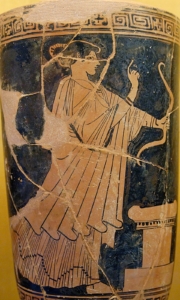
I can’t think of a more perfect time to celebrate this day as we try to maintain our equilibrium in what feels like a very troubled world. The proponents of this special Day suggest that we take a moment to go outside and contemplate the clouds as they roll by, kind of a Zen approach to relaxing the mind.
This date also marks another National designation. It’s Reach as High as You Can Day, which encourages us to create a new goal, share our goals, or encourage others to reach for theirs. While these two notable suggestions may provide encouragement for some, I think we can find an even better third one:
The Artemis Moon Mission
Prior to launch on April 1, I heard arguments, both pro and con, about going back to the moon. The two camps seemed to be equally divided as to whether the country should be spending so much money just to fly around the moon instead of fixing more urgent needs here on earth. I could understand and sympathize with both positions, until I watched the press conference with the four astronauts, who had returned to earth less than 24 hours before.
Seriously, watch the video. You’ll be glad you did.
Initially, I wan’t keen to sit through what I expected to be just one more bloated, self-congratulatory press conference full of the usual blah-blahl rhetoric. But that wasn’t what it was.
Afterward, I wanted to renew my half-forgotten knowledge of what Artemis, the mission’s Olympian namesake, stood for. Twin sister of the Greek god Apollo, Artemis was known as the goddess of the hunt, a protector of children and nature, and a patron of the healing arts. She was a lover and a warrior. One of the most venerated divinities, she had two sides: one nurturing and the other, brutal.
In short, Artemis was an avatar for the best and worst human traits.
And so, my thoughts today are on Artemis the goddess, her namesake mission, and the heartfelt comments from our latest space explorers, words that, while simple, illustrate how qualities like integrity and love can lead to a life worth living.
Whatever anxiety people may be feeling these days, we can still look up to the sky, reach as high as we can, create new goals and give love to those near and far. Perhaps in this way, we can still achieve heaven on earth together.
#ArtemisII #ReachAsHighAsYouCanDay #LookUpAtTheSkyDay
Gay Yellen’s award-winning writing career began in magazine journalism. She later served as the contributing editor for the international thriller, Five Minutes to Midnight (Delacorte), which debuted on the New York Times New & Notable list. Ms. Yellen’s Samantha Newman Mystery Series is packed with suspense and laced with touches of romance, heart, and humor. Available on Amazon or to order through your favorite bookseller.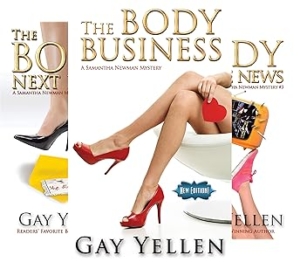
What’s the big idea?
/in Donnell Ann Bell, Inspiration, memories, The Stiletto Gang, Writing and the Arts, writing life/by Donnell Ann BellOne of my favorite lines from a film is during The Trouble with Angels when Hayley Mills who plays a troublemaker teenager says, “I have a scathingly brilliant idea!”
Mine may not be scathingly brilliant but for many a spark or an idea can be a figurative pot of gold. I got my idea for The Past Came Hunting after listening to Trisha Yearwood and Don Henley’s country song “Walk Away Joe.” The lyrics surround a seventeen-year-old girl who refuses to listen to her mother and runs off with her bad-news boyfriend. As the song goes, the girl waits in the car while the young man robs a gas station.
During a police ride-along, I asked the officer I was riding with what would happen to the girl?
“Seventeen. In the commission of a felony,” he replied. “She might be charged as an accessory—might even be tried as an adult and go to prison.” My kids were near that age at the time and I was appalled.
Later I asked him, “What’s the worst thing that could happen to you as a police officer?” Without hesitation, he answered, “If an ex-con moved next door to me.”
Boom! I had my story.
I researched how some authors came up with ideas and discovered:
J.K. Rowling got her idea for Harry Potter from a delayed train journey.
J.R.R. Tolkein, creator of the Hobbit and Lord of the Rings, got the idea for the Hobbit from a random sentence he wrote while grading papers.
Suzanne Collins, Hunger Games, was channel surfing and watching young people compete for a million-dollar contest.
Still, ideas can be nebulous and are often fleeting. Author Hank Phillippi Ryan and I discussed this during an interview. She said her muse show up at a restaurant. She reached for a napkin, then her pen and started writing. All I can say is if an idea or inspiration strikes, be ready to focus and find a way to jot it down.
Finally, my favorite anecdote about ideas and inspiration has to be from musician John Tesh who shared his backstory when he created Roundball Rock, the Chicago Bulls theme song, which in 2025 became the overall theme song for the NBA. The story as well as the score is breathtaking. Here’s the Youtube link and well worth a listen:
https://youtu.be/V_h7Lm7C9Nk?si=L-qVONhk5fTx3ej1
How about you? Got any goldmine ideas you’ve encountered to write a book or otherwise? Where do you get your ideas?
A Voice That Resonates
/in Author Life, crafting mystery, First lines in novels, How to Write, Inspiration, Kathleen Kaska, Voice/by Kathleen KaskaA Voice That Resonates
If asked to name writers with a distinct voice, I could rattle off a list: F. Scott Fitzgerald, Karen Blixen, Raymond Chandler, Jane Austen, Harper Lee, Stephen King, John Irving, Anne Rice. Defining “voice,” however, is far more elusive.
When I first started writing fiction, I went to a writers’ conference where the presenter described voice as the emotional connection between the writer and the reader. That idea stayed with me—and clarified something I had experienced but hadn’t named.
Early on, I focused on plot because I didn’t know how to build one. Voice barely registered until I picked up a novel by an unfamiliar author. It was his fourth book—and a bestseller. The characters carried me through more than four hundred pages. I immediately bought his earlier novels and struggled through them, finishing out of curiosity. The difference was unmistakable. In the fourth book, I could hear the characters’ voices. In the first three, I couldn’t. He hadn’t found it yet—or hadn’t learned how to sustain it. Since then, I’ve read everything he’s written. He’s now a favorite.
Voice isn’t plot, character, or setting—though it brings all three to life. It’s the writer’s way of seeing and presenting the world on the page.
Consider The Great Gatsby. From its opening lines, Nick Carraway speaks with an intimate, reflective ease, as if confiding across a café table. That conversational authority draws the reader in and keeps them engaged.
In To Kill a Mockingbird, Scout Finch views injustice through a child’s honest, questioning perspective. Her voice not only narrates the story— it amplifies its moral impact.
And in the novel Rebecca the narrator—the second Mrs. de Winter—voice carries a quiet melancholy that settles over the entire novel, shaping how we experience Manderley before we fully see it.
Last night I dreamt I went to Manderley again. It seemed to me I stood by the iron gate leading to the drive, and for a while I could not enter, for the way was barred to me. There was a padlock and a chain on the gate. I called in my dream to the lodge-keeper and had no answering and peering closer to the rusted spokes of the gate I saw that the lodge was uninhabited.
A strong plot, character, and setting are essential. But voice is what makes a story personal—what transforms pages into an experience. It’s the difference between a book we finish and one we remember. It’s the icing on the cake.
What are your favorite books with strong voices that speak to you?
https://kathleenkaska.com/
AI Ruined My Spam
/in Artificial Intelligence, Author Life, author promotion, humor/by Bethany MainesWhere Has All the Good Spam Gone?
We’re all familiar with spam emails. I doubt there’s an adult in America who hasn’t received an email from someone letting us know that THERE ARE SINGLES LOOKING FOR SEX NEAR YOU. However, since the rise of AI I’ve noticed a shift in my inbox. Gone are the days of Nigerian princes, IRS agents demanding gift cards, and fake invoices for an iPhone you never ordered (Quick! Click on that link!! It’s so, so urgent!). Now I get personalized emails talking about my books in breathless terms and low-key requests to contact them if I’m interested. It’s so clear that someone has had AI scan my website or Amazon page to create personalized content that I can delete the emails without getting through the first paragraph.
Isn’t AI Personalized Spam Better?
Like a lot of AI slop, personalized spam is not better than good old-fashioned crap. The compliments, syntax, and tone are entirely lacking in authenticity. And while I suppose it’s possible to feel complimented by a machine, the platitudes carry all the heft of Pete Hegseth’s compliments on leadership—I don’t believe them, and they devalue the speaker for their blatant lack of any real knowledge on the subject. And aside from simply sounding implausible and obviously lacking in sincerity, since AI, authors have become a specifically targeted group. Where once we were hard to pin down or gather information on, AI has turned mass data consumption and website scanning into a breeze. The scammers no longer have to put in effort to learn about us or our books and can pump out email after email promising things that authors want (reviews, sales, readers). But that lack of effort shows, and frankly, it’s insulting. Scammers need to do better.
I took a brief poll of the Stiletto Gang, and we all agree that the spam rate increased to a deluge once AI took off. And of course, we’re worried about deleting that one real person who emails, but many of us are deleting as fast as our fingers can click. As Lois Winston said, “I always trash them and empty my trash immediately.” And while we all understand that the end goal is always money, many of us are puzzled by their low-pressure techniques. Why do you want me to tell you where to leave a review? Why are you wasting my time telling me that you love my work, but don’t want to leave a review without permission. No one in the history of reviews has ever had this worry.
So What Does the Spam Look Like?
Here are just a smattering of examples that I and other members of the Stiletto Gang have received:
Example 1: I can help you!
“I recently came across Eye Contact and it’s a gripping contemporary novel that blends science, mystery, and authentic representation. Following Lexi Byrne, a neurodivergent graduate student developing cutting edge bionic eye technology, the story explores her challenges with relationships, friendship, and ethics, all while navigating a high-stakes theft that puts her work and loved ones at risk. With its mix of science driven intrigue, relatable character dynamics, and emotional depth, Eye Contact has strong discovery potential through Goodreads Listopia lists such as Mystery & Thriller, Contemporary Fiction, Science & Technology Fiction, and Neurodivergent Protagonists.”
TRANSLATION: They want me to pay to get my book on a list on Goodreads which is something I can do for free. (And if they made you interested in Eye Contact – you can check it out on Amazon and all major retailers.)
Example 2: We’re big & famous, so of course we’re emailing YOU!
“At Simon & Schuster, we are committed to publishing fiction that resonates with readers while delivering a strong and memorable narrative experience. Based on what I’ve read, I would be very interested in exploring whether there might be an opportunity to work together.”
“As one of the most influential literary platforms globally, The New York Times Book Review reaches a vast and engaged readership of book lovers, critics, publishers, and industry professionals… If you are interested, kindly respond by [date], and I will provide the next steps and scheduling options.” (Thanks to Judy Penz Sheluk for this gem!)
TRANSLATION: We’re going to ask for money to include you in this very special offer. But pro-tip: Simon & Schuster doesn’t use Yahoo email accounts and the NY Times Book Review doesn’t solicit out of print books or forget to include the [date].
Example 3: Visit Our Book Club for Free!
“How are you doing ? I’m reaching out because of how strongly your book has resonated with readers in our community. As we read and discussed it together, one thing became very clear to us. This is a story that was written to be felt, reflected on, discussed, and shared, not simply read and put aside.”
“Readers will enjoy dissecting the layers of suspense, from the stolen SUV with a dead body to the cache of jewelry and the ongoing threats Anastasia faces, while also appreciating the lighthearted elements that make the series so engaging.” (Kind of makes you want to read the Anastasia Pollack mysteries, doesn’t it? Learn more at LoisWinston.com)
“Based on your catalog, I would be very interested to know which of your books you feel would create the most compelling and thought-provoking discussion among a community of dedicated readers like ours. Would you be open to having one of your preferred titles considered for this upcoming Networx London – Connect & Grow feature and allowing our members to explore and discuss it together?”
TRANSLATION: We failed to realize that we’re emailing about the third book in a mystery series but we’re going to talk about how it’s SO IMPACTFUL and later probably ask you to pay for the venue on a virtual book club.
Example 4: Authors like other authors, right?
“I recently came across your work, and I was really struck by the honesty in your storytelling and the way you blend personal experience with universal truth. As a fellow author, I deeply appreciate writing that challenges and moves readers the way yours does. I just wanted to reach out to say how much I admired your work. It’s inspiring to see writing that’s both fearless and artful.”
TRANSLATION: I’m looking for someone who has too much time on their hands and will email me back which means they’re probably a sucker.
Example 5: Errors Detected!
“I spotted a few issues that could be impacting your website’s performance. I captured screenshots for clarity. Reply “OK – SEND” if you’d like to see them.”
TRANSLATION: We know you’re a creative and don’t know much about websites and we’re depending on that to bilk you out of money (oh, and also… click on this link).
Spam for All
I think for many of us in the writing community, the new downpour of spam is shocking. Perhaps there are other groups who are being similarly targeted now that new tools are available, but this seems like a new development in the scammer landscape. And the truth is that I’m not falling for anymore scams now than I used to, but now I have to have someone blowing smoke up my skirt while I delete them. It’s infuriating. How about you? Are you seeing a new rise in of junk mail and in your inbox? And do you find the insincere adulation as annoying as I do?
**
See more books from the Stiletto Gang: BOOKS